Dollarwise

Should You Use a Heating Oil Additive?

If your home relies on oil heat, you may have wondered whether a heating oil additive is worth using. 

Additives can keep your home heating oil system running safely and efficiently, and prevent costly problems during the cold months. Let’s break down what they are, how they work, and whether you really need one.

What Is a Heating Oil Additive?

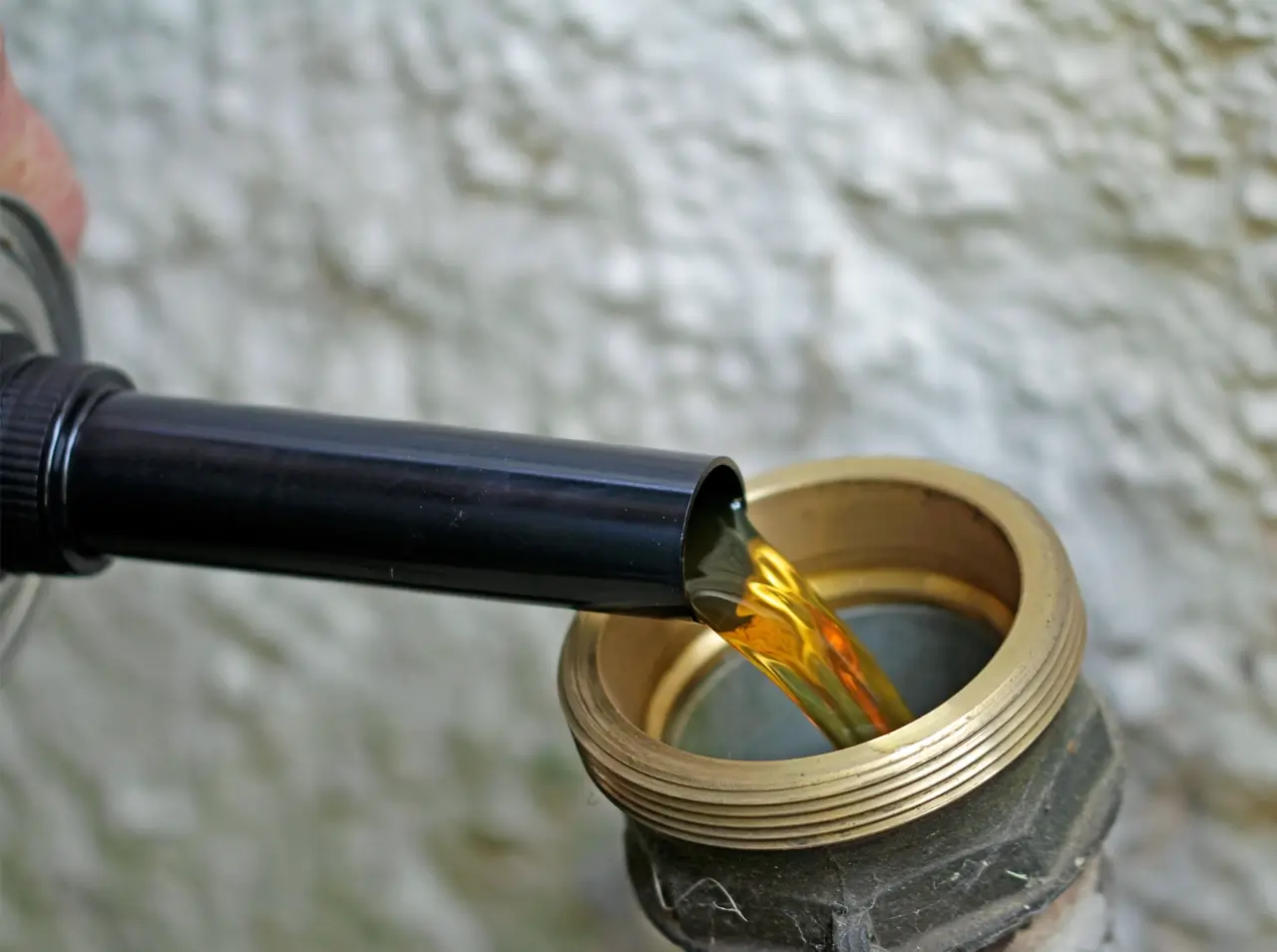
An additive is a chemical solution that improves the performance and safety of your heating oil. Different types of additives have different purposes.

The most common types of heating oil additives include:

  • Anti-gel additives: Prevent oil from thickening in extremely cold temperatures, ensuring consistent flow to your burner.

  • Fuel stabilizers: Extend the shelf life of oil, especially important if you store fuel for long periods.

  • Tank and system cleaners: Dissolve sludge, sediment, and other buildup that can clog lines and filters.

You can also buy “all-in-one” tank additives that serve more than one purpose.

How Does It Help?

  • Additives keep oil flowing smoothly, even in freezing temperatures, so your burner never gets blocked. They dissolve sediment that naturally collects in your tank, preventing clogs and improving efficiency. 

    Additives can also protect metal components from rust and water damage, which helps your system last longer and reduces maintenance costs.

Should You Use an Additive?

Whether you need an additive depends on your tank, system, and climate. If you live somewhere cold or store oil for months at a time, an additive can prevent gelling and stabilize your fuel. 

Older systems or tanks with buildup may also benefit from a cleaning additive to maintain efficiency.

However, modern heating oil blends often include anti-gel or stabilizer components. If you’re using a treated blend and your tank is well-maintained, extra additives may not be necessary. 

Always check with your heating oil provider or a licensed technician before adding chemicals to ensure compatibility with your system.


Other Ways to Optimize Fuel Usage

Installing a Smart Oil Gauge on your tank is another great way to optimize fuel use. It tracks your oil levels in real time, sends alerts when fuel is low, and provides insight into your actual consumption. This data can help you decide if and when to use additives.

If you live in a very cold climate, you might also consider a low-voltage heated pump to keep your oil line from freezing.

Check out our post with more tips and tricks to increase heating oil efficiency and save on heating oil costs.

Choosing the Right Additive

If you determine that you do need an oil additive, look for an additive that matches your needs: 

  • Anti-Gel: For cold-weather performance.
  • Fuel Stabilizer: For long-term storage or seasonal shutdowns.
  • Cleaner/Sludge Remover: For older tanks or systems with sediment buildup.
  • Corrosion Inhibitor: To protect metal tanks and components from water damage.

Follow the manufacturer’s instructions carefully and add the proper dosage for your tank size. Many homeowners combine a multi-purpose additive that covers anti-gel, cleaning, and corrosion protection in one solution.

Conclusion

A heating oil additive can be a useful tool for homeowners, especially in cold climates or with older heating systems. Additives help prevent gelling, clean your tank, and protect against corrosion, improving efficiency and saving on maintenance. 

Combined with other tools, such as a heated pump or Smart Oil Gauge, the right additive can help keep your heating oil tank running smoothly all winter.

Have more questions about home heating oil? We’re here to answer them! Give us a call, anytime. We’re open 5 days a week during heating season, with a fully staffed customer service center. You can find the contact info for each of our service branches on our Contact Us page.

Is Heating Oil the Same as Diesel?

Is Heating Oil the Same as Diesel? When it comes to heating your home, many homeowners wonder about the relationship between heating oil and diesel. Both fuels come from crude oil and share similar physical properties, which often leads to confusion. While heating oil is specifically formulated for residential and commercial heating systems, diesel is primarily used to power vehicles

Read More

What Home Heating Oil Tank Size You Need

What Home Heating Oil Tank Size You Need Choosing the right heating oil tank size is one of the most important decisions for homeowners who rely on oil heat. A properly sized tank ensures your home stays warm during the cold months, avoids running out of fuel, and reduces the number of deliveries needed throughout the season. Tank size depends

Read More

Should You Use a Heating Oil Additive?

Should You Use a Heating Oil Additive? If your home relies on oil heat, you may have wondered whether a heating oil additive is worth using. Additives can keep your home heating oil system running safely and efficiently, and prevent costly problems during the cold months. Let’s break down what they are, how they work, and whether you really need

Read More
Enable Push Notifications OK No thanks