Dollarwise

What Home Heating Oil Tank Size You Need

Choosing the right heating oil tank size is one of the most important decisions for homeowners who rely on oil heat. A properly sized tank ensures your home stays warm during the cold months, avoids running out of fuel, and reduces the number of deliveries needed throughout the season.

Tank size depends on multiple factors, including your home’s square footage, insulation, heating system efficiency, and how often you want to refill. In this guide, we’ll cover the most common tank sizes, their uses, and how to pick the right one for your needs.

Most Common Tank Size

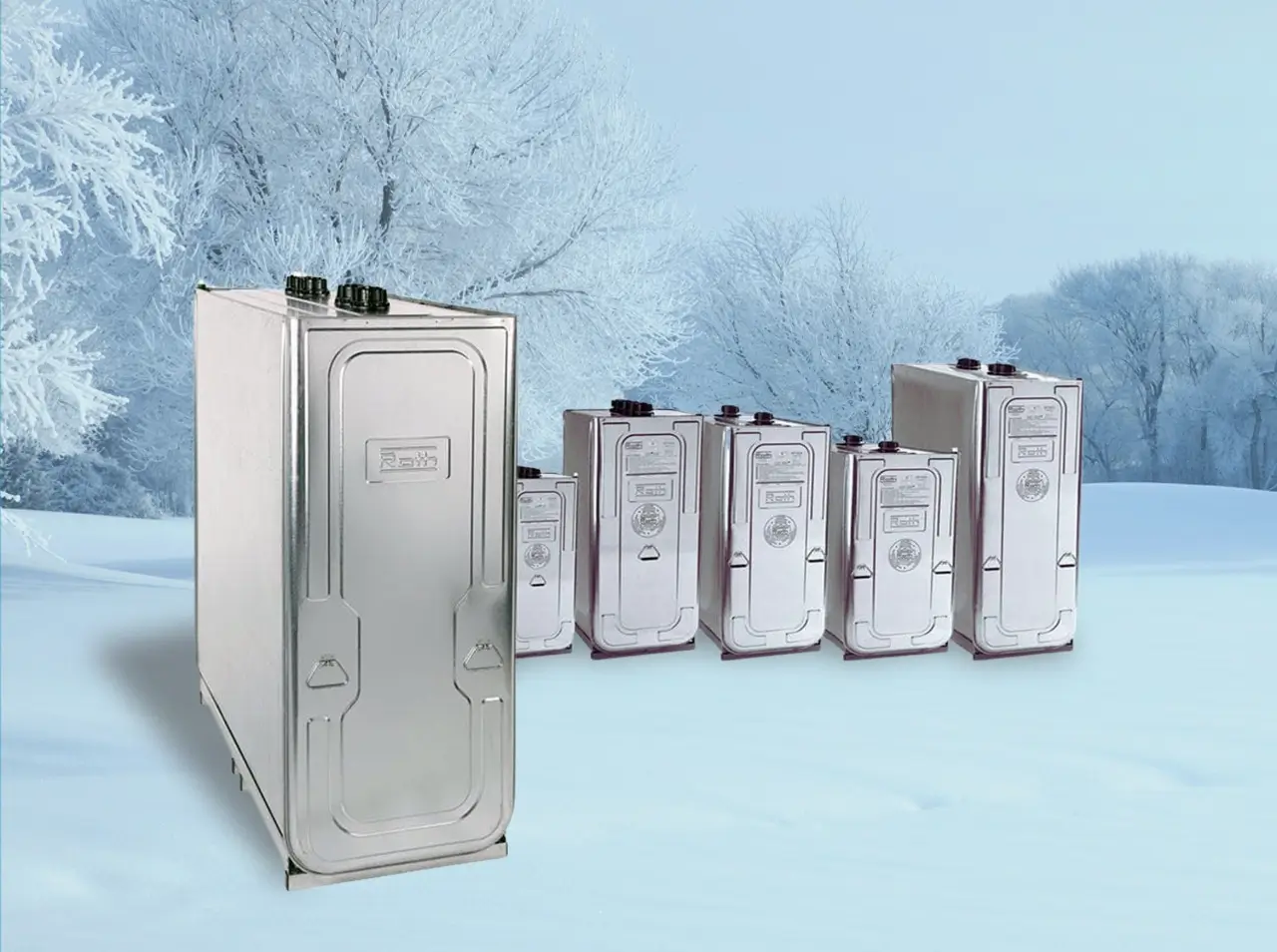
For the average single-family home, 250 gallons is the most common choice. It provides enough fuel for a typical winter while leaving room for safe expansion. Homes with smaller heating needs may opt for a 100-gallon heating oil tank, while larger homes often require a tank that holds 275 gallons, 500 gallons, or even 1000 gallons.

Choosing the right size is not just about how much oil you can store; it also affects delivery frequency, space requirements, and heating oil safety.

Different Sizes for Heating Oil Tanks

Here’s a breakdown of the most commonly used sizes for heating oil tanks:

100-gallon tank / 100-lb tank

  • Best for small homes, apartments, or supplemental heating systems.
  • Requires more frequent deliveries, often every few weeks during peak winter months.
  • Limited storage makes it less convenient for long winters.

250-gallon tank

  • Standard choice for average-sized single-family homes.
  • Provides sufficient heating oil for several weeks to months, depending on usage.
  • Balances storage space with heating oil delivery frequency.

275-gallon tank

  • Slightly larger than a 250-gallon, often used for homes with higher heating demand.
  • Offers additional storage without taking up significantly more space.

500-gallon tank

  • Ideal for large homes or households that want to minimize deliveries.
  • Can last an entire season with careful monitoring of usage.

1000-gallon tank

  • Typically reserved for very large homes, estates, or small commercial buildings.
  • Minimal deliveries required, but installation and space considerations are important.

Heating Oil Tank Sizes At a Glance

Tank SizeTypical UseNotes
100 gallonSmall apartments, supplemental heatingFrequent refills needed
100 lbSmall spacesRarely used today
250 gallonAverage single-family homeStandard choice
275 gallonMedium to large homesSlightly more storage
500 gallonLarge homesFewer deliveries per winter
1000 gallonVery large homes/commercialMinimal refills

How to Choose the Right Tank Size

When selecting a tank size, consider the following:

  1. Home Size & Heating Demand


    • Larger homes require more fuel, so bigger tanks, like 500 or 1000 gallons, may be necessary.


    • Smaller homes or apartments can usually rely on 100 or 250 gallons.


  2. Refill Frequency


    • Some homeowners prefer frequent deliveries to avoid storing large quantities of oil.


    • Others prefer larger tanks to reduce the number of trips your oil provider must make.


  3. Space & Location


    • Tanks must be installed in a safe, accessible location.


    • Indoor tanks have space constraints, while outdoor tanks may need additional clearance and protection from the elements.


  4. Safety Considerations


    • Never overfill a tank. Always leave room for expansion.


    • Ensure tanks are properly maintained to prevent leaks or spills.

How Tank Size Affects Your Heating Costs

While your home’s heating needs determine how much oil you actually use, the size of your heating oil tank can influence how much you spend over the season:

  • Frequency of Deliveries: Smaller tanks (100 gallons) require more frequent refills. Each delivery may include service fees, which can add up over time. Larger tanks, such as 500 or 1000 gallons, allow for fewer deliveries and can reduce these extra costs.
  • Buying in Bulk: Larger tanks give you the option to purchase heating oil in bulk. Many providers offer lower prices per gallon when buying larger quantities or during pre-buy programs, which can help you save.
  • Emergency Costs: Running out of heating oil can result in emergency delivery fees, which are often higher than standard rates. Choosing the right tank size reduces the risk of unexpected costs.
  • Convenience and Planning: A properly sized tank allows you to plan refills strategically, taking advantage of lower seasonal prices and avoiding peak-demand periods.

A tank that fits your home’s usage and space optimally can save you both time and money. Check out our article with more heating oil cost-saving tips and tricks.

The Bottom Line on Heating Oil Tank Sizing

Selecting the right capacity for your home heating oil tank is crucial for staying warm, safe, and efficient. Most homeowners find that a 250-gallon tank meets their needs, but smaller or larger options may be necessary depending on your home size, heating demand, and refill preferences.

Have more questions about home heating or heating oil? Contact us and we’ll be happy to help you out.

Is Heating Oil the Same as Diesel?

Is Heating Oil the Same as Diesel? When it comes to heating your home, many homeowners wonder about the relationship between heating oil and diesel. Both fuels come from crude oil and share similar physical properties, which often leads to confusion. While heating oil is specifically formulated for residential and commercial heating systems, diesel is primarily used to power vehicles

Read More

What Home Heating Oil Tank Size You Need

What Home Heating Oil Tank Size You Need Choosing the right heating oil tank size is one of the most important decisions for homeowners who rely on oil heat. A properly sized tank ensures your home stays warm during the cold months, avoids running out of fuel, and reduces the number of deliveries needed throughout the season. Tank size depends

Read More

Should You Use a Heating Oil Additive?

Should You Use a Heating Oil Additive? If your home relies on oil heat, you may have wondered whether a heating oil additive is worth using. Additives can keep your home heating oil system running safely and efficiently, and prevent costly problems during the cold months. Let’s break down what they are, how they work, and whether you really need

Read More
Enable Push Notifications OK No thanks